Last updated June 2026 by the Pogi’s team.

Whether you have new puppies that need to be potty trained or aging dogs experiencing bathroom mishaps, dog pee pads are a helpful tool for all dog owners.
They’re especially useful for apartment living and can provide backup floor protection during car travel, alongside regular safe stops for potty breaks.
All About Dog Pee Pads
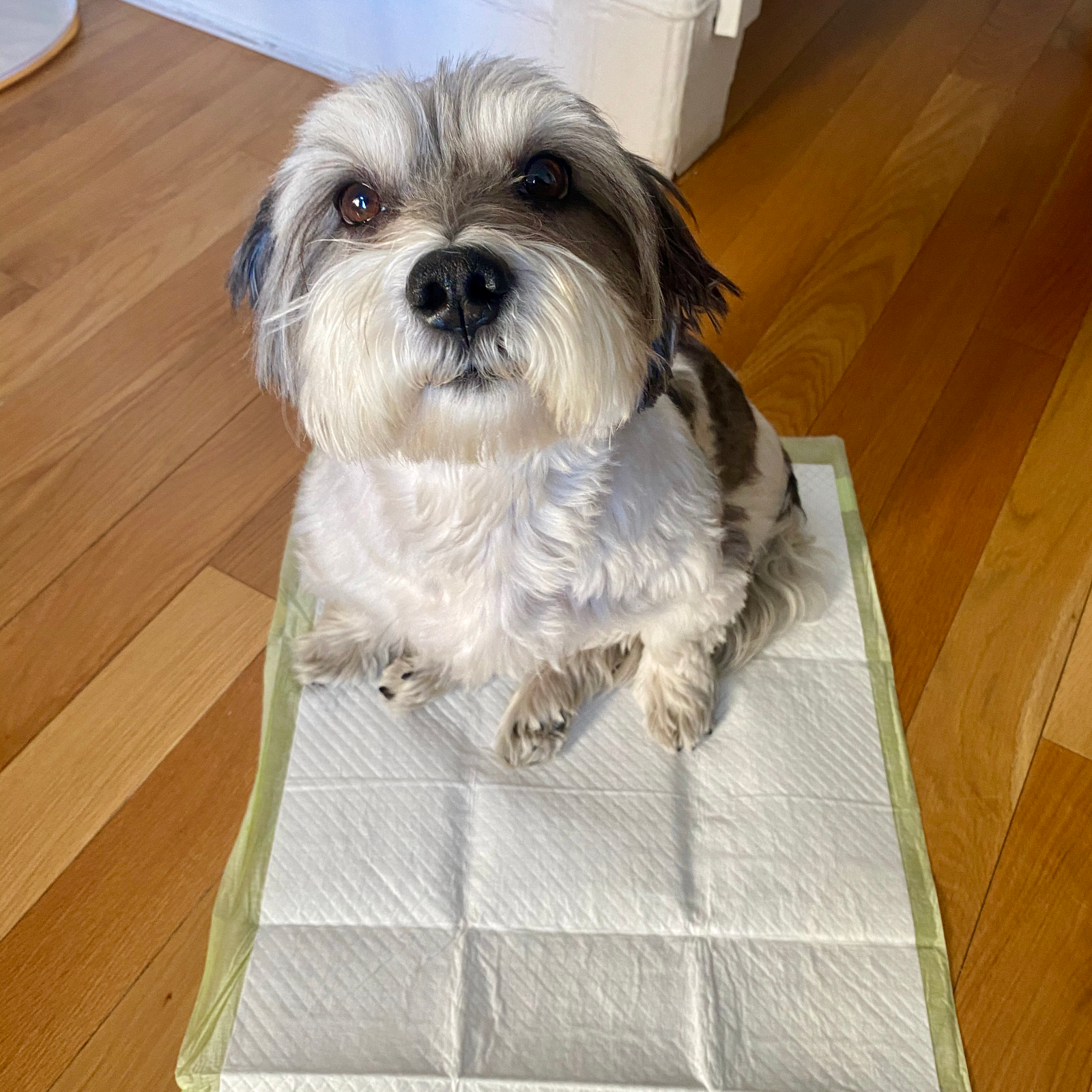
For those who are wondering, “what are dog pee pads?”, dog pee pads are moisture-absorbing pads that are used to help train your young puppy or dog. Similar to a baby’s diapers, they:
- Absorb urine into sponge-like layers of the pee pads for dogs
- Enclose the liquid with a leak-proof top layer of material for odor control
If your puppy is still learning to ask to go outside, puppy pads can give them a consistent indoor toilet spot. They can also help some senior or recovering dogs who cannot always get outside in time. If an adult or senior dog develops new or worsening accidents, contact your veterinarian to rule out an underlying health problem.
You can get pee pads with a leak-proof plastic liner so the urine soaks in and doesn't leak through the floor. Some super absorbent versions turn liquid into quick-drying gel so the potty patch stays dry. The gel also helps prevent tracking from your pup's four paws. Other pee pads have odor control by incorporating a fresh scent or lavender scent.
How to Choose a Dog Pee Pad
Once you know how pee pads work, picking a good one comes down to four things you can actually check.
1. Size. Size is easy to get wrong, and a pad that’s too small is a common reason for misses around the edge. Match the pad to your dog: Medium (18 x 24 in) for puppies and small dogs, Large (24 x 24 in) for most adults, and Extra Large (24 x 35 in) for big or senior dogs and wide coverage. When in doubt, size up.
2. Absorbency and a real leak-proof backing. A good pad pulls liquid into a super-absorbent core that turns it to gel and locks it in, so a full pad doesn’t pool when you lift it. Underneath, a genuine leak-proof backing is the layer that actually protects your floor. For heavy overnight use, size up.
3. A quick-dry top. The surface should wick liquid downward fast so your dog’s paws stay dry and they don’t track it across the house.
4. Stays put. Adhesive corners keep the pad from sliding underfoot. A pad that shifts mid-use can make accurate placement harder and lead to edge misses.
Want the full layer-by-layer breakdown? Our Puppy Training Pads buyer’s guide walks through how a good pad is built and how to size it for your dog.
How To Use Dog Pee Pads
Pee pads for dogs are convenient and relatively simple to use. There are three main ways that dog pee pads can be used for canines. These options include puppy potty training for a new puppy, increased security for car travel, and for elderly dogs with mobility problems.
The Best Potty Training Method: Puppy Pee Pads
Many pet parents use dog pee pads as puppy training pads. If you're looking to pad train your pup, try the following steps:
Step One:
- Put your puppy in a collar, harness, or leash. When you think that he is about to pee, move him toward the pee pad or place him on top, similar to how you would train a kitten to use cat litter.
Step Two:
- Every time your puppy pees on the pad, praise them and tell them what a good job they did. Make sure to use key phrases like pee, potty, or bathroom.
Step Three:
- Give your puppy a food-based reward like a treat each time he repeats this process in the same spot.
Step Four:
- Create a peeing schedule for your puppy. Try taking him to the pee pad once every hour, and eventually less often, to remind him that he will need to use the pee pad regularly.
Step Five:
- If you notice your puppy using the pee pads on his own, praise him and reward him immediately after he uses the pee pads for dogs.
Step Six
- Change your puppy’s pee pad a few times per day or when you notice that it looks moist. This will avoid bad smells and encourage your puppy to use the pee pad more often.
Dog Pee Pads and Travel
Extended car travel can be stressful for dogs. Secure your dog with an appropriate restraint or secured carrier whenever the vehicle is moving, plan regular stops in safe places for potty breaks, and use pee pads only as backup protection. To prepare pads for travel:
Step One:
- Line the floor of your dog’s designated, secured travel area with pee pads. Make sure they lie flat and overlap. Always use an appropriate restraint system or secured carrier while the vehicle is moving; the pads are added protection, not a replacement for restraint.
Step Two:
- A few days before the road trip, lay out the pads in the designated travel area while the vehicle is parked and let your dog inspect them. Reward calm interest so the setup feels familiar before travel.
Step Three:
- Reward your dog when they signal that they need to go. Stop in a safe place and give them a chance to relieve themselves outside. You can also praise them if they use a pad in the designated secured area while the vehicle is safely stopped.
Step Four:
- At a safe stop, seal used pads in a waste bag and dispose of them appropriately. Replace them with clean pads so the designated area stays dry and inviting.
Your Senior Dog and Pee Pads
For a senior dog or a dog with limited mobility, pads can provide an accessible indoor toilet area and help protect floors. New or worsening accidents can signal a medical problem, so contact your veterinarian before treating them as a training issue. Once medical needs are addressed, consider these setup steps:
Step One:
- Unfold a pad and allow your dog to sniff it. Once they are comfortable, place it in a quiet, low-traffic indoor toilet area that is easy for them to reach.
Step Two:
- Place the pad flat on an easy-to-clean floor near the route your dog already uses, but away from food, water, and their sleeping area. A second pad near the outside door can help a dog who has trouble waiting while asking to go out.
Step Three:
- When your senior dog uses the pad, reward them with calm praise, affection, or a treat. This helps reinforce the designated indoor toilet area.
Join Pogi’s Pack
A cleaner spot indoors
Get 15% off a one-time purchase
One use per customer. Subscription items excluded. Cannot be combined with other discounts.
Offer sent by email. Unsubscribe anytime.
The Pros of Pogi’s Dog Pee Pad
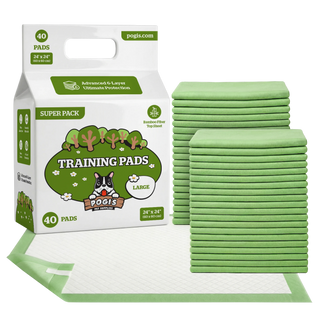
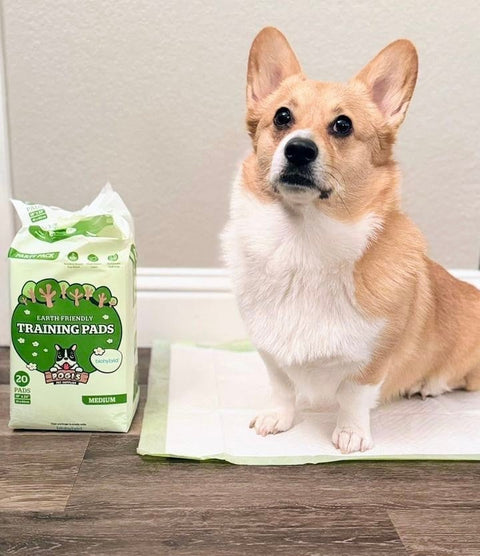
Pogi’s Dog Training Pads are designed for dogs and puppies alike. They are available in 20- and 40-pad packs and in Medium, Large, and Extra Large sizes. Additional features of Pogi’s Dog Pee Pads include:
Easy Clean-Up: Once your dog has successfully used the pee pads for dogs, simply pick it up, fold it, and throw it away. Our super-absorbent layers won’t leak, making for easy clean-up. Pogi’s Poop Bags are also a great addition to making clean-up even easier.
- Subscription Option: If you know you’ll be purchasing Pogi’s pee pads for dogs repetitively, you can opt for a subscription. You can have the items shipped to your home so you don't have to remember to buy pee pads every month.
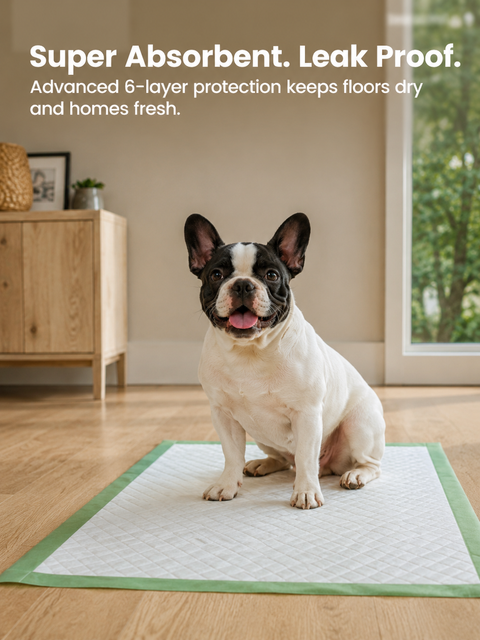
Free Shipping: Pogi’s always offers free shipping as a courtesy to their clients. This cuts down on the cost of purchasing dog pee pads for your canine.Six Absorbent Layers: Pogi’s dog pee pads use six absorbent layers designed to help contain liquid and neutralize odor during normal use. The absorbent core and leak-resistant backing help reduce wet floors and paws when the pad is changed before it becomes saturated.A Leak-Proof Liner: Other pee pads have a leak-proof plastic lining, but Pogi's Dog Pee Pads are made with a leak-proof backing that keeps liquid off your floors.
Optional Adhesives: Optional adhesives are available to adhere the pee pad to slick tile or slippery wood floors, making them more convenient for your pet to use.
Your Canine’s New Best Friend
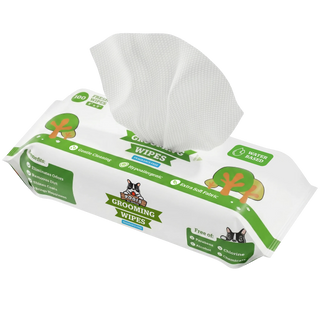
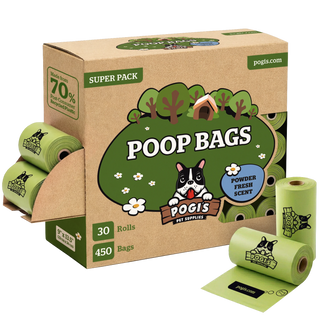
With super-absorbent layers, Pogi’s Dog Pee Pads can make indoor potty time easier for your dog. In addition to Pogi’s Grooming Wipes and Poop Bags, you’ll have everything you need to make potty time go smoothly.
Whether training a brand new puppy, traveling by car, or helping your lifelong friend avoid making messes indoors, pee pads can be a practical addition to a consistent care and training routine.
How many puppy pads does a puppy need, and when do you stop?
A young puppy can use several puppy pads a day early in training, since they go often and a soiled pad should be swapped out so it stays inviting. As your puppy grows and can hold their bladder longer, roughly one hour per month of age, you will go through fewer. There is no fixed finish line: most owners start weaning off pads once their puppy reliably asks to go outside, by slowly moving the pad toward the door and then outside. For the full routine, see our guide to potty training a puppy and our walkthrough on pad training a puppy. If you are wondering how long your puppy can realistically last between breaks, our guide on how long dogs can hold their pee breaks it down.
Dog Pee Pads: Frequently Asked Questions
How often should you change a pee pad? Change it once it’s well used. A fresh, dry surface keeps your dog coming back to the right spot, and a soaked pad is a common reason they start going next to it. Most puppies go through three to six pads a day early on.
What size pee pad do I need? Medium (18 x 24 in) suits puppies and small dogs, Large (24 x 24 in) fits most adults, and Extra Large (24 x 35 in) gives big or senior dogs room to spare. Between sizes, go bigger. A pad that is too small is a common cause of edge misses.
Do pee pads work for adult and senior dogs? Yes. Pads can provide an accessible indoor toilet area for some adult, senior, or recovering dogs. Ask your veterinarian about new or worsening accidents, because they can have a medical cause.
Will a pee pad leak onto my floor? A well-fitted absorbent pad with a leak-resistant backing helps reduce seep-through onto hard floors or carpet, but any pad can leak if it shifts or becomes saturated. For heavy or overnight use, size up and change it promptly.
Why does my dog pee next to the pad instead of on it? Usually the pad is too small to feel like a target, it’s been left too wet, or lingering scent from a nearby accident is pulling them off-target. Size up, change it more often, use the adhesive corners, and clean accidents with an enzyme cleaner so no scent remains.
Do pee pads make house-training harder? They can if used inconsistently. A pad teaches that going indoors is okay, so you have to actively transition away from it. With a clear schedule and a plan to phase them out, pads are a useful bridge, especially when you can’t get outside in time.
What are puppy pads? Puppy pads, also called pee pads or training pads, are absorbent pads you place on the floor to give your dog an indoor spot to pee. They typically have a leak-resistant backing to help protect the floor and an absorbent core that helps contain liquid, and many include a scent that attracts a puppy to the pad.
Are puppy pads the same as pee pads? Yes. Puppy pads, pee pads, and training pads are different names for the same product: an absorbent floor pad for a dog's indoor potty needs. Brands use the terms interchangeably.
Do puppy pads help or confuse potty training? Used consistently, puppy pads help by giving your puppy one clear, designated spot to go, which is especially useful in apartments or bad weather. They can slow the transition outdoors if they are used inconsistently or moved too often. Keep the pad in the same place, reward success, and adjust the plan to your puppy’s progress.
When should you stop using puppy pads? Start weaning off once your puppy reliably signals they need to go and can hold their bladder longer, usually as they approach four to six months. Move the pad gradually toward the door and then outside so the transition is smooth rather than abrupt.